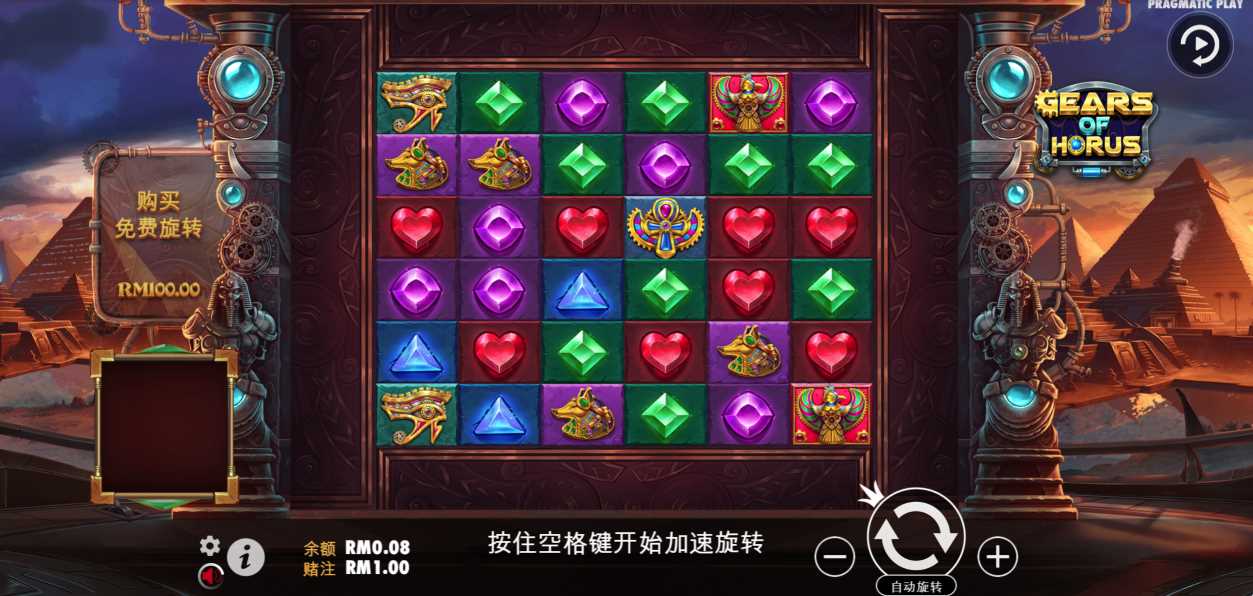
Halo! Apakah Anda seorang pencinta mesin slot? Jika ya, pastinya Anda tahu betapa mengasyikkan dan serunya bermain slot demo. Dalam dunia perjudian online, slot demo menjadi salah satu cara terbaik untuk merasakan sensasi bermain tanpa perlu khawatir kehilangan uang sungguhan. Dalam artikel ini, kita akan menjelajahi pengalaman bermain slot demo terbaik yang bisa merajut keberuntungan Anda di dunia mesin slot.
Ada beragam pilihan permainan slot demo yang menarik seperti demo Olympus 1000, demo Princess 1000, demo Sweet Bonanza, slot Mahjong Ways, demo Mahjong Ways 1, Gates of Olympus demo, demo Sugar Rush, demo Aztec Gems, demo Candy Blitz, demo Koi Gate, dan demo Lucky Neko. Setiap permainan menawarkan tema dan fitur yang berbeda, sehingga Anda dapat menemukan yang paling sesuai dengan preferensi dan gaya permainan Anda. Jadi, siapakah yang akan menjadi pilihan Anda dalam meraih keberuntungan di dunia mesin slot? Mari kita jelajahi bersama pengalaman seru bermain slot demo ini! demo slot gratis
Demo Slot Populer
Demo slot menjadi pilihan populer di kalangan penggemar judi online. Dengan beragam pilihan seperti demo Olympus 1000 dan demo Princess 1000, pemain dapat merasakan sensasi bermain mesin slot tanpa harus mempertaruhkan uang sungguhan.
Salah satu demo yang diminati adalah Sweet Bonanza. Dengan desain yang menarik dan fitur bonus yang menggiurkan, Sweet Bonanza menjadi favorit bagi pemain yang mencari pengalaman bermain slot yang menghibur dan menguntungkan.
Tak ketinggalan, demo Mahjong Ways 1 juga mendapat perhatian dari para penjudi online. Dengan tema yang unik serta keberuntungan yang bisa diraih, demo Mahjong Ways 1 memberikan tantangan yang seru bagi para pemain yang ingin merajut keberuntungan di dunia mesin slot.
Strategi Bermain
Untuk mencapai keberuntungan di dunia mesin slot, penting untuk memiliki strategi bermain yang baik. Salah satu strategi yang bisa digunakan adalah memahami pola dan mekanisme permainan dari setiap jenis slot yang dimainkan. Dengan memahami cara kerja slot tersebut, kita bisa meningkatkan peluang untuk memenangkan hadiah besar.
Selain itu, penting juga untuk memperhatikan besaran taruhan yang dipasang. Selalu hadapi tanggung jawab dalam menentukan jumlah taruhan agar tetap bisa menikmati permainan tanpa merasa terbebani. Jangan terlalu rakus untuk memasang taruhan besar berharap bisa cepat kaya, namun tetaplah bijak dalam mengatur strategi taruhan.
Terakhir, menjaga emosi dan fokus selama bermain juga merupakan strategi penting. Hindari terburu-buru dalam membuat keputusan dan jangan terpengaruh emosi ketika mengalami kekalahan. Dengan tetap tenang dan fokus, kita bisa membuat keputusan yang lebih baik dan meningkatkan kesempatan untuk merajut keberuntungan di dunia mesin slot.
Keberuntungan di Mesin Slot
Dalam pengalaman bermain slot demo, keberuntungan merupakan faktor kunci yang memengaruhi hasil taruhan Anda. Berbagai varian slot demo, seperti demo sweet bonanza, demo aztec gems, dan demo candy blitz, menawarkan peluang untuk meraih kemenangan besar. Namun, tidak ada yang bisa memastikan hasil akhir dari putaran mesin slot ini.
Slot mahjong ways 1 dan gates Of olympus demo adalah contoh lain dari permainan demo yang menuntut keberuntungan dan strategi untuk meraih kemenangan. Melalui pengalaman bermain demo olympus 1000 dan demo princess 1000, pemain dapat memahami betapa pentingnya memiliki naluri yang tepat dalam memilih taruhan yang akan dipasang.
Tidak luput pula dari demo koi gate dan demo lucky neko yang menambah keseruan dalam mencari keberuntungan di dunia mesin slot. Meskipun keberuntungan memegang peran penting, pemain juga perlu memiliki pemahaman yang baik tentang mekanisme permainan dan berbagai strategi yang dapat diterapkan untuk meningkatkan peluang menang.
Read More